Tropical timber, from forest to workshop.
Sapelli, iroko, ayous, sipo, okoumé, azobé… Central African species for exterior joinery, cabinetmaking and works that have to resist. Represented for Exott, with the traceability that goes with it.
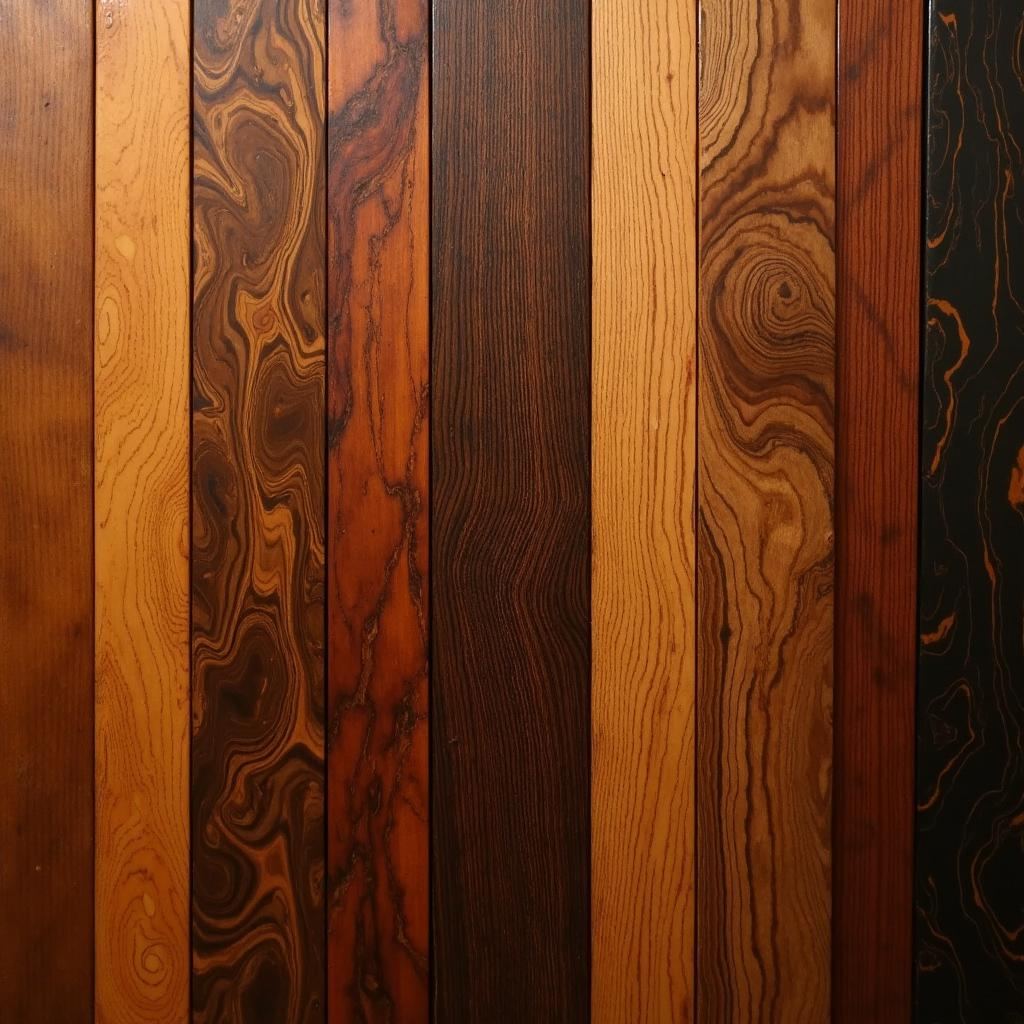
Exott: sawn tropical timber from Central Africa, which Nordic Timber represents in Morocco. Logs from managed concessions, sawn timber dried and graded by ATIBT rules.
The species Morocco asks for.
Each species has its colour, density and natural durability. Here are the ones we move most often, and what for.
Sapelli
Reddish brown, lustrous, the most requested for exterior joinery, doors, windows and quality furniture.
Iroko
Golden brown, very durable without treatment: decking, cladding, exposed joinery, outdoor furniture.
Ayous
Creamy white, light, soft: mouldings, furniture interiors, panel cores, saunas, carving.
Sipo, okoumé, azobé, doussié
Sipo for fine joinery; okoumé for plywood and interiors; azobé for hydraulic works and sleepers; doussié for flooring and stairs.
What makes the difference on tropical timber.
Grading, drying and legality. Three points we check at source, not on arrival.
ATIBT grading
FAS, Choice 1, 2 and 3 grades according to the rules of the International Tropical Timber Technical Association, checked at departure.
Drying
Green, air-dried or kiln-dried square-edged timber according to use and species, with moisture content measured at loading.
Legality and traceability
Certificates of origin, export permits, traceability back to the concession: the documents customs and your clients require.
- FLEGT / due diligence
- Certificates supplied with every lot
Transport
Containers from Douala, Pointe-Noire or Libreville to Casablanca, Agadir, Nador and Tanger.
From the continent to Morocco.
Our tropical origins and our home port.
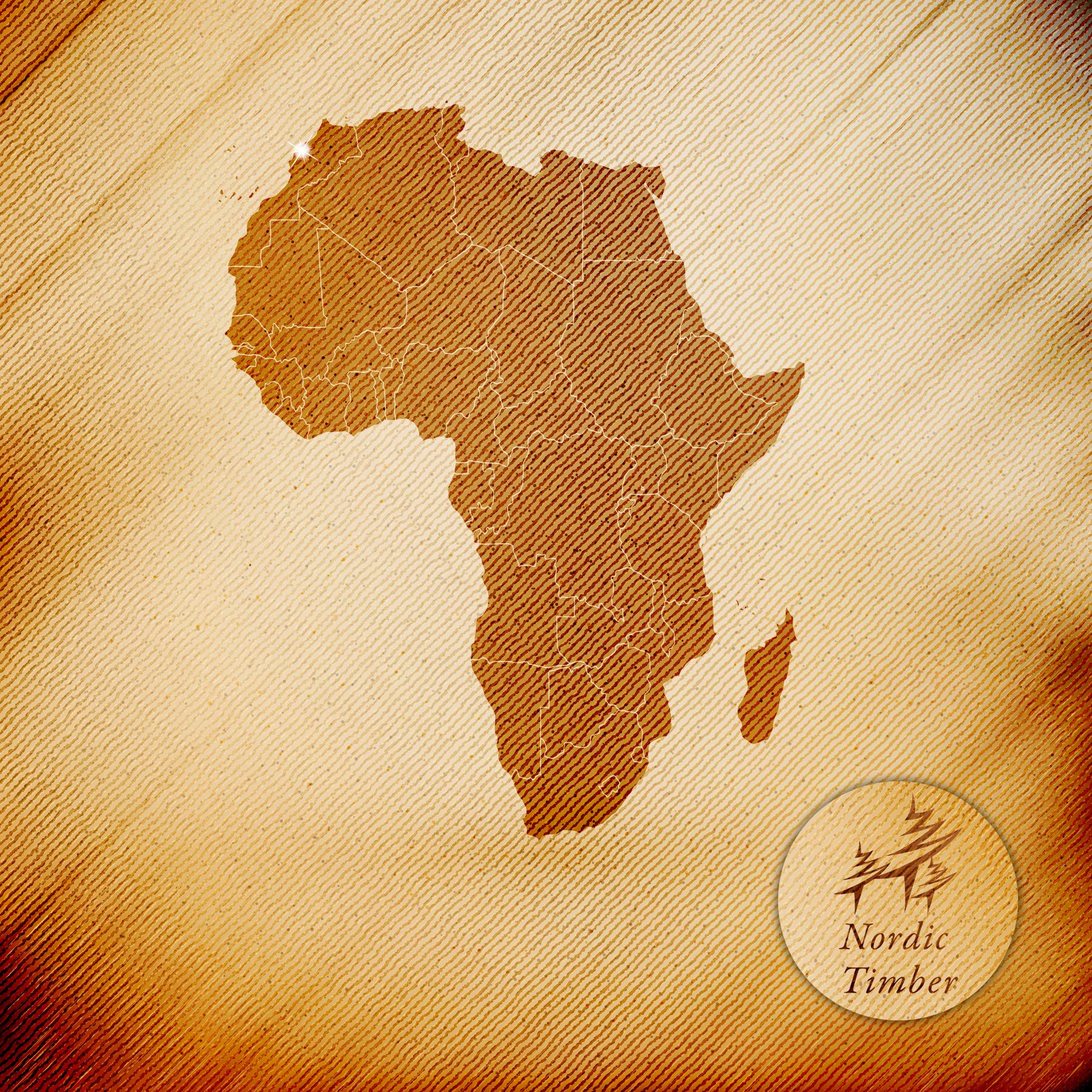
Illustration image for the species; photos of actual lots on request.
A specific species in mind?
Tell us the species, grade, sections and volume: we consult our sources and come back with a documented offer.